
How to Move a Piano in San Diego
What makes moving a piano in San Diego different, from hills and heat to hiring the right specialists, plus how to protect your instrument.
Licence info: CPUC #191536 CA #491814
What makes moving a piano in San Diego different, from hills and heat to hiring the right specialists, plus how to protect your instrument.
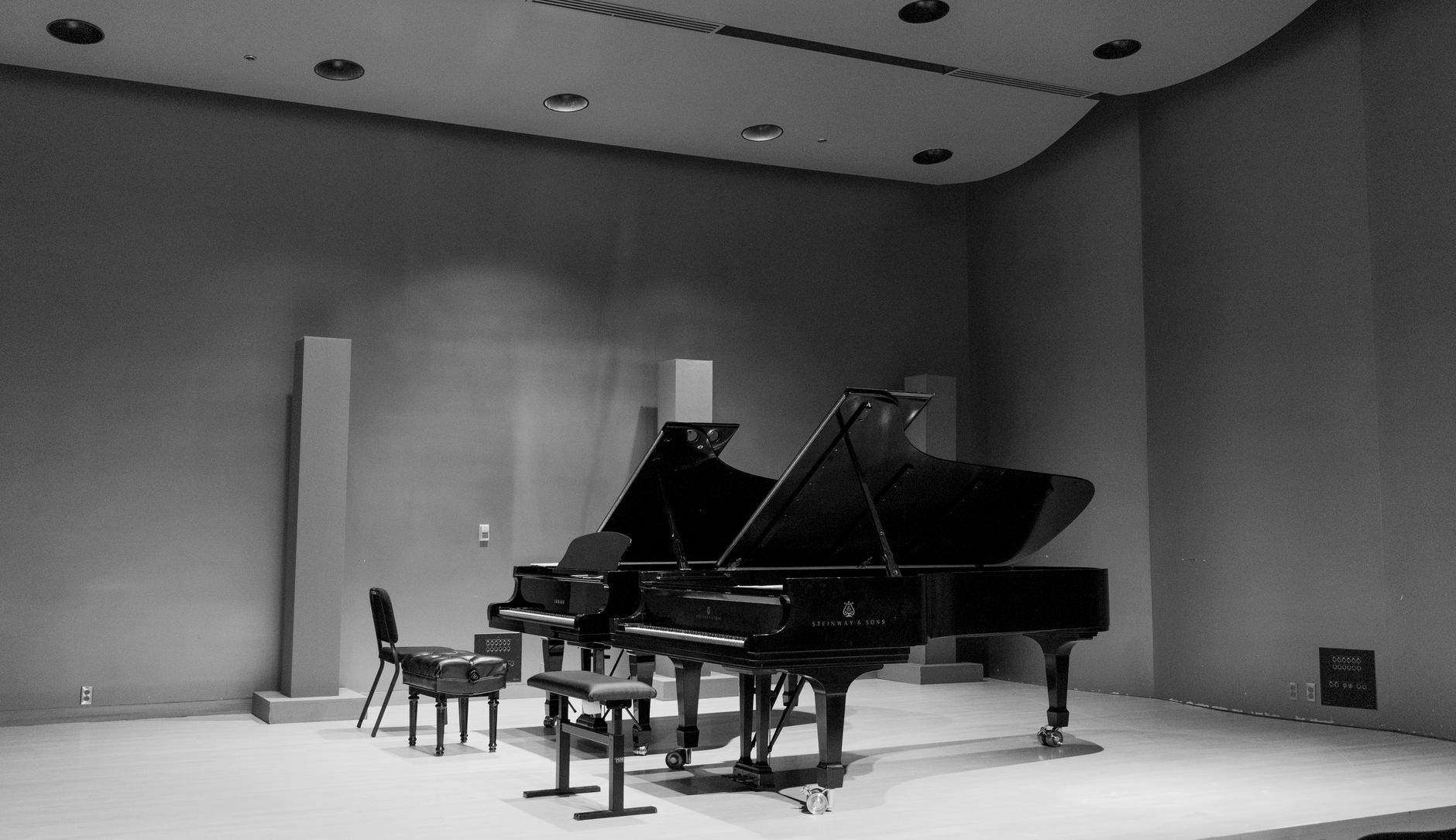
A piano is not furniture, and treating it like a heavy dresser is how pianos get wrecked and people get hurt. An upright weighs 300 to 500 pounds, a baby grand 500 to 700, and a concert grand can top 1,000. That weight sits unevenly around a delicate internal mechanism, and in San Diego it often has to travel down canyon staircases, through tight condo hallways, and out into serious heat. That combination is why a piano is usually the single hardest item in any move.
Here is what makes moving a piano different, what San Diego adds to the challenge, and how to get your instrument to its new home without damage. It helps to picture where the piano fits in the larger day, which our hour-by-hour moving day guide lays out from arrival to final unload.
A few things put pianos in their own category. The weight is concentrated over a small footprint because of the cast-iron plate inside, so the instrument wants to tip in predictable directions during a carry. The internal action, strings, and soundboard are precision parts that a single hard impact can knock out of alignment, and the case can survive a drop that ruins the instrument inside. Uprights are also top-heavy, which makes them unstable on stairs. Add real financial and sentimental value, and the margin for error is smaller than for almost anything else you own. The same care professionals use when protecting furniture during a move gets dialed up several notches for a piano.
An upright is smaller but awkward, moved as a single top-heavy unit that cannot be broken down. A grand or baby grand is heavier but partially disassembles: the legs and lyre come off and the body is tipped onto its side on a padded piano board, which lowers the center of gravity and makes it more controllable. Getting a grand onto that board safely takes specific technique and equipment, which is why grands almost always require specialists rather than general movers. Either way, this is not a job that shares much with moving a couch, though it has more in common with heavy specialty items like a home gym setup than with everyday boxes.
San Diego brings its own complications to a piano move:
Before a piano moves an inch, the entire route from old spot to new spot should be measured against the instrument. Doorway widths, staircase width at the narrowest point, landing turns, elevator interior and weight limit, and tight corners all decide whether the standard path works or whether something like a hoist is needed. A piano that will not fit is a problem you solve weeks ahead, not on move day. If the numbers are tight, that discovery changes the whole plan.
Almost every other item in a move can be handled well by a good general crew. Pianos are the consistent exception. Specialists bring piano dollies, boards, and straps built for the instrument, crews trained in the stair technique and grand disassembly, and insurance that covers the piano at its real value rather than by the pound. For a valuable instrument in a San Diego home with any stairs or access complexity, that expertise is the difference between a smooth move and an expensive repair. Whoever you hire, confirm they are properly licensed and insured, which you can check through the federal Protect Your Move resource before you book. Our piano moving services in San Diego bring the right equipment and crew, and the broader principles of moving delicate items without damage apply throughout.
Beyond the carry, the piano itself needs prep. Lock or secure the keyboard lid so it cannot swing open. Do not remove internal components yourself, since they are precisely fitted and belong to a technician, not a moving crew. Wrap the instrument in moving blankets to protect both the finish and the building on tight turns. And plan to tune the piano two to four weeks after the move, not before, once it has acclimated to the new room, since the move and the change in environment will knock it out of tune regardless. The Piano Technicians Guild is a good resource for finding a qualified tuner in the San Diego area.
Piano moving is priced separately from a standard move because of the crew size, equipment, and risk involved. Expect it to cost more than moving an equivalent weight of ordinary furniture, with the price driven by the type of piano, the stairs and access at both ends, and the distance. If a hoist is required because the stairs or elevator will not work, that is a specialized operation that costs several times a standard piano move. For how these factors stack up across a whole relocation, see our breakdown of how much movers cost in San Diego and the hidden factors that affect moving costs.
Where the piano lands in the new home matters as much as getting it there. Choose an interior wall away from direct sunlight, heating and cooling vents, and exterior doors, because temperature swings and direct sun are hard on wood, felt, and tuning stability. In coastal San Diego homes, keep the piano clear of windows that get salt air and moisture. Give the crew a clear, decided destination before they arrive so the instrument is set down once, in its final spot, rather than shuffled around the room afterward. If the room is not ready, it is better to delay than to park a piano in a hallway or garage where heat and humidity can build up.
Most piano disasters come from a short list of avoidable errors:
Avoid those six and the move goes from nerve-wracking to routine.
Some will, but for anything beyond a short, flat, ground-floor move it is risky. A piano needs specialist equipment and technique, especially on San Diego stairs, and general movers rarely carry piano boards or dollies or insure the instrument at real value.
An upright on stairs needs at least three to four people, not just for lifting but for controlling a top-heavy object on a staircase. A grand takes a trained crew plus the board and straps. A two-person attempt is unsafe.
After, and not right away. Give it two to four weeks in the new space to acclimate to the room’s temperature and humidity, then tune. Tuning before a move is wasted money.
That is why you measure the full path in advance. If the standard route will not work, a hoist through a window or balcony may be required, which is a specialized job that must be quoted and scheduled ahead of move day.
A piano rewards planning and punishes shortcuts. Measure the path, respect the weight and the mechanism, account for San Diego’s stairs and heat, and use a crew that specializes in the instrument. Do that and your piano arrives in tune-able, undamaged shape, ready for its new room. When you are ready, you can get a free moving quote, and our movers in Carlsbad and across San Diego County can build the piano into your moving plan.