
How to Move a Home Gym to San Diego Without Damaging Your Equipment
Moving a home gym is not like moving furniture. One wrong step can damage thousands of dollars worth of equipment. Here is the professional approach, start to finish.
Licence info: CPUC #191536 CA #491814
Moving a home gym is not like moving furniture. One wrong step can damage thousands of dollars worth of equipment. Here is the professional approach, start to finish.
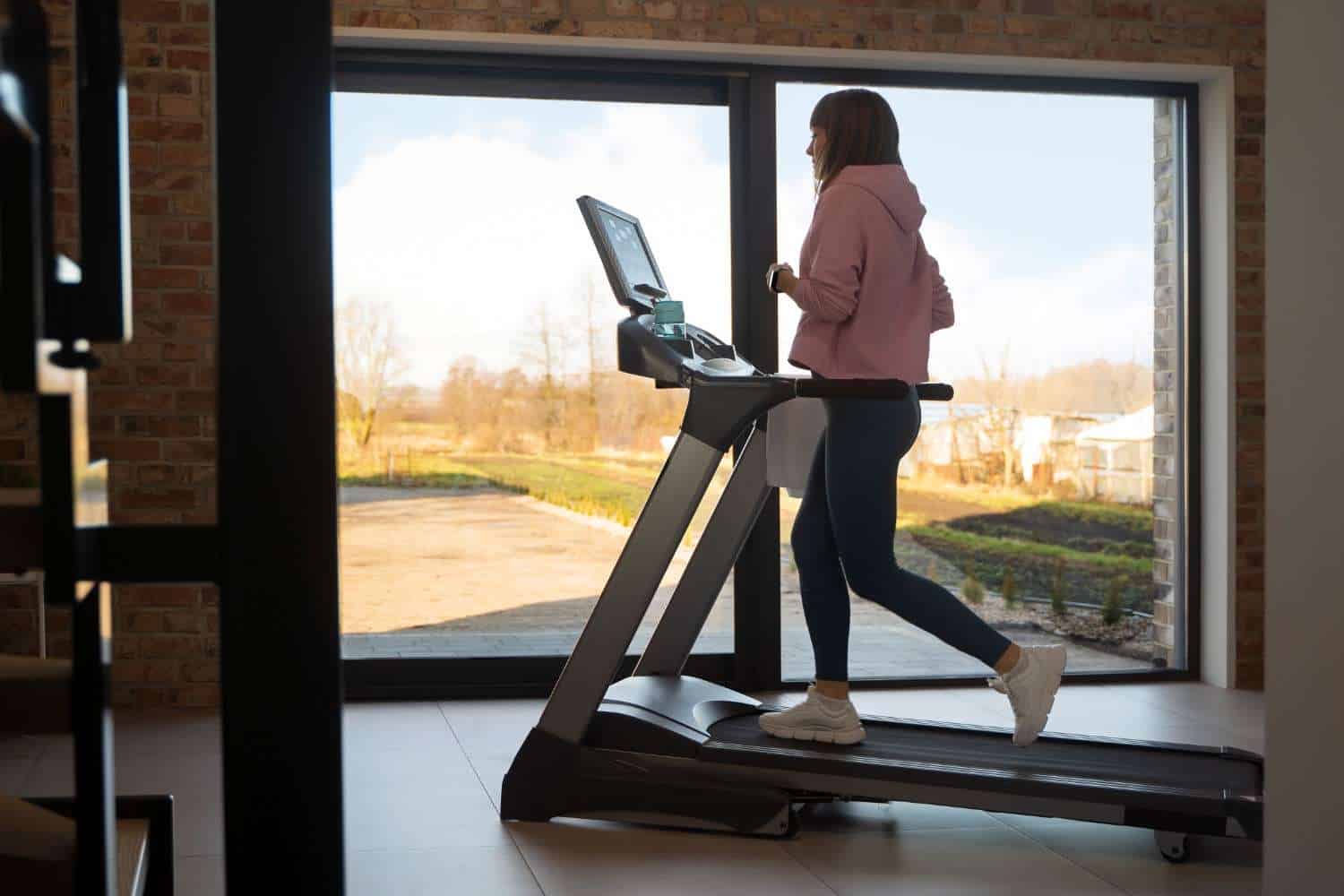
A home gym represents a serious investment. Between the power racks, cable machines, treadmills, rubber flooring, and free weights, the average setup runs anywhere from a few thousand to tens of thousands of dollars. Moving that equipment across town or across the country requires a completely different approach than boxing up a bedroom.
Most moving damage happens not because movers are careless, but because gym equipment is poorly prepared before the truck arrives. This guide walks you through exactly how to protect your equipment, your floors, and your walls during a home gym move to San Diego.
Gym equipment combines three characteristics that make it uniquely difficult to relocate: extreme weight, mechanical complexity, and size. A commercial-grade treadmill can weigh over 300 pounds. A half rack with weight storage can exceed 500 pounds when loaded. Cable systems have tension components that snap or warp if transported incorrectly.
Beyond the equipment itself, the surfaces it sits on create additional risk. Rubber flooring tiles shift and tear during transport. Mirrors crack without proper padding. And the walls and door frames of your new San Diego home face serious risk if heavy equipment moves through without the right rigging technique.
This is why experienced movers approach home gym relocations as a specialty job, not a standard household move. For a broader look at how professionals handle oversized and fragile items, read our guide on how to move delicate furniture without damage – many of the same principles apply.
Before you touch a single bolt, photograph every piece of equipment from multiple angles. Document the current condition of frames, cables, pulleys, and upholstery. This protects you if any damage occurs during transport and gives your moving company a clear reference for reassembly.
Create a written inventory with each item’s weight, dimensions, and any known quirks – loose bolts, worn cables, cracked padding. Share this list with your movers in advance so they arrive prepared with the right equipment and enough crew members. The U.S. Consumer Product Safety Commission also provides useful guidance on exercise equipment handling and safety standards worth reviewing before your move.
The biggest mistake people make when moving a home gym is attempting to move equipment fully assembled. Nearly every major piece of gym equipment disassembles, and doing so reduces both weight and dimension significantly.
Remove all attachments first – pull-up bars, band pegs, weight plate storage horns, and J-hooks. Then disassemble the uprights from the base. Most racks use standard bolts that require nothing more than a socket wrench. Keep all hardware in labeled zip-lock bags taped to the corresponding frame section.
Treadmills fold or disassemble at the deck. Remove the safety key, fold the belt deck if the model allows, and secure the folded position with a moving strap. Bikes and rowing machines typically separate at the seat post and handlebars. Consult the manufacturer manual for model-specific instructions before forcing any component.
These require the most care. Release cable tension completely before transport – never move a cable machine with tension loaded on the system. Wrap pulleys individually in moving blankets and tape cables to the frame to prevent tangling. Label every cable attachment and keep them together in one bag.
Never load a moving box with plates. The weight will destroy the box and create a safety hazard. Transport plates in small, reinforced totes or buckets no heavier than 40-50 pounds each. Dumbbells load well in milk crates or low-profile bins.
Gym equipment does most of its damage on the way out and the way in – not in the truck. Protect hardwood and tile floors with ram board or heavy-duty floor runners before any equipment moves. Cover door frames with moving blankets secured with tape. Use furniture dollies rated for heavy loads rather than sliding equipment across surfaces.
In San Diego homes, especially in communities like Carlsbad where newer construction features open-plan layouts and premium flooring, this step is non-negotiable. A single scratch on engineered hardwood in a Carlsbad home can cost more to repair than the entire moving job. If you are planning a move to the area, our guide on the best neighborhoods in Carlsbad for every life stage can help you identify which communities best suit your lifestyle before you commit.
The loading sequence matters. Gym equipment should be the last items loaded onto the truck and the first items unloaded. This keeps the heaviest items on the truck floor at all times and prevents them from shifting during transit and crushing lighter household items.
Use ratchet straps to secure all equipment to the truck walls. Nothing in a gym move should be loose in the truck. Even a 45-pound plate rolling freely during a highway merge creates dangerous momentum.
The most overlooked part of a home gym move is the destination plan. Before your movers arrive at your new San Diego home, measure every doorway, hallway, and stairwell between the entry point and the intended gym space. Confirm that the floor can handle the load – basements and garages typically handle gym equipment better than upper floors in residential homes.
If you are moving into a home in Carlsbad, note that many master-planned communities like Bressi Ranch and Robertson Ranch have garages and ground-floor bonus rooms well-suited for gym setups. Having the room cleared and measured in advance cuts setup time significantly and reduces the risk of equipment damage during placement. To understand what to expect on the day itself, our hour-by-hour moving day guide walks you through exactly how a professional move unfolds from start to finish.
Not every moving company has experience with specialty equipment. When you contact movers about a home gym relocation, ask specifically whether they have handled power racks, cable systems, or heavy cardio equipment before. A trusted moving company will ask you detailed questions about your equipment list, request photos in advance, and arrive with the right dollies, straps, and padding.
At Cali Moving and Storage, our trusted Carlsbad movers handle home gym relocations throughout San Diego County. We assess your equipment before move day, arrive prepared for the weight and complexity involved, and treat your investment with the same care we bring to every move.
Yes – a full-service moving company can handle disassembly and reassembly of most gym equipment, including power racks, cable machines, and cardio units. Confirm this service when booking and provide your equipment list in advance so your movers arrive with the right tools. At Cali Moving and Storage, our trusted movers include equipment handling as part of our full-service offering.
Always fold or disassemble the treadmill before transport. Secure the folded deck with a moving strap to prevent it from unfolding in the truck. Keep the treadmill upright during transport – never lay it flat on its side, as this puts pressure on the motor housing. Use a heavy-duty appliance dolly rated for the weight and ensure it is strapped securely inside the truck.
For a basic setup with a few dumbbells and a bench, a DIY move is manageable. For anything involving a power rack, cable machine, treadmill, or multiple heavy items, hiring an experienced moving company is strongly advisable. The risk of personal injury from improper lifting and the cost of repairing damaged equipment or flooring far outweigh the cost of professional movers. To understand what a professional move typically costs in the area, check our breakdown of how much movers cost in San Diego so you know what to expect upfront.
Moving a home gym requires planning, the right disassembly sequence, and movers who understand what they are working with. Skipping any step in the process puts your equipment, your home, and your health at risk. Prepare thoroughly, document everything, and work with a moving company that treats your gym setup as the significant investment it is.